Video Credit: IllustrisTNG Project; Visualization: Mark Vogelsberger (MIT) et al.
Music: Gymnopedie 3 (Composer: Erik Satie, Musician: Wahneta Meixsell)
Reminiscent of Cajal drawings.
-RSB
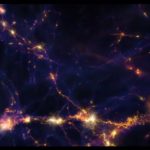

Video Credit: IllustrisTNG Project; Visualization: Mark Vogelsberger (MIT) et al.
Music: Gymnopedie 3 (Composer: Erik Satie, Musician: Wahneta Meixsell)
Reminiscent of Cajal drawings.
-RSB
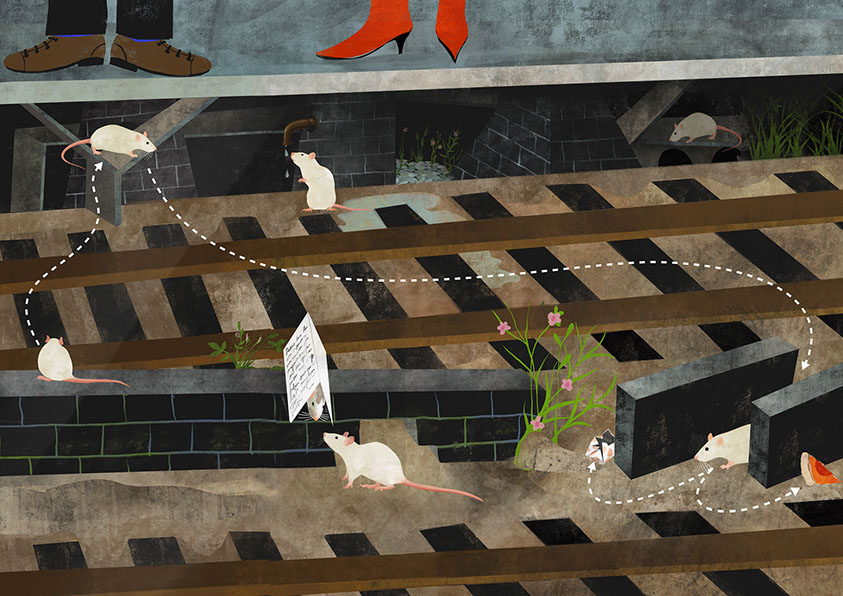
Julia Kuhl is an artist who has worked for a variety of independent science labs, top-tier academic journals, as well as a host of news organizations (The New Yorker, Chicago Magazine, et cetera). She has illustrated and animated a diverse set of topics ranging from neural populations to viscous flow states.
buy super avana online https://www.conci.com/wp-content/languages/en/super-avana.html no prescription
I hope you enjoy this sampling of her creations.
buy sildenafil tadalafil vardenafil online https://www.conci.com/wp-content/languages/en/sildenafil-tadalafil-vardenafil.html no prescription
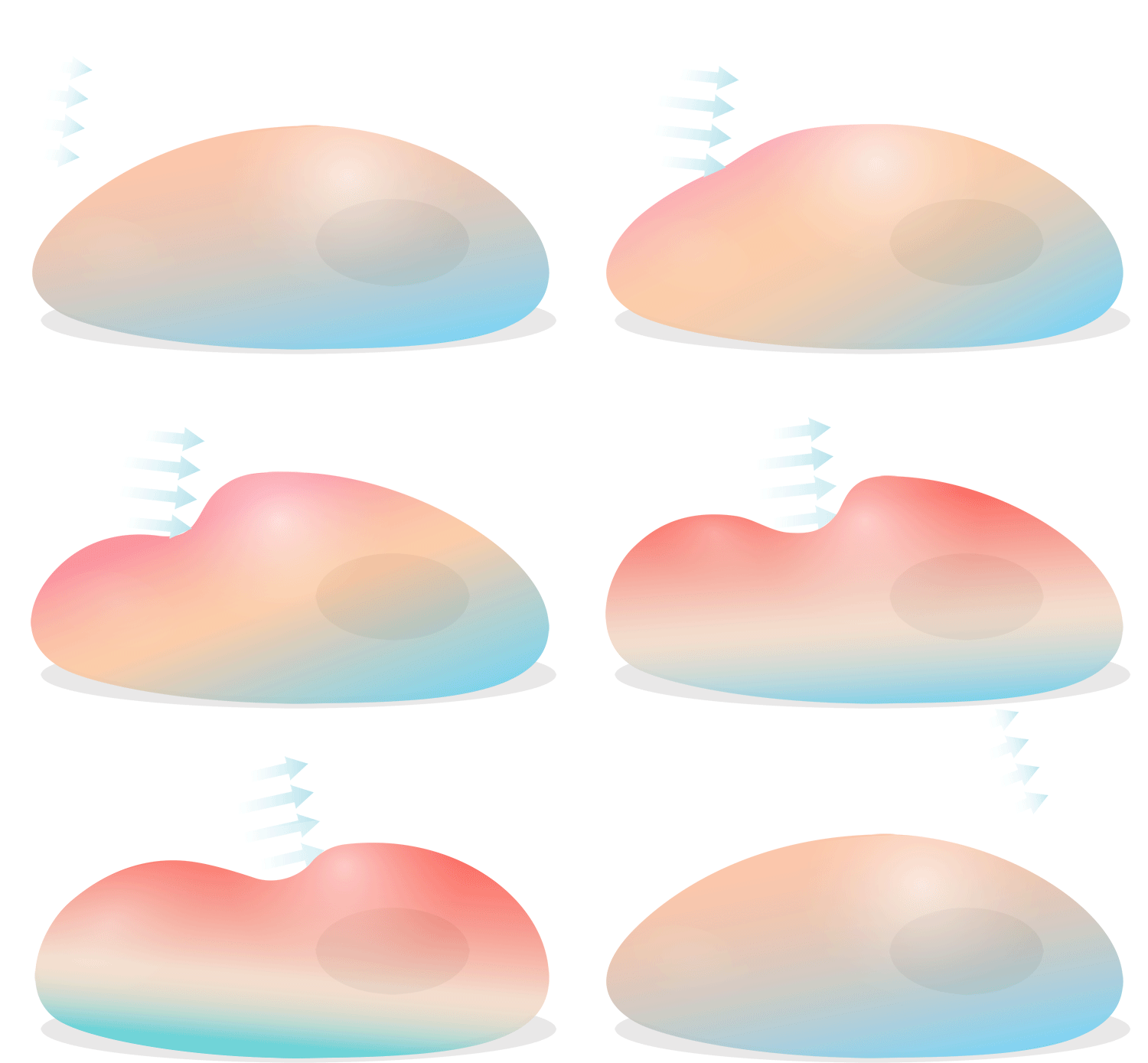
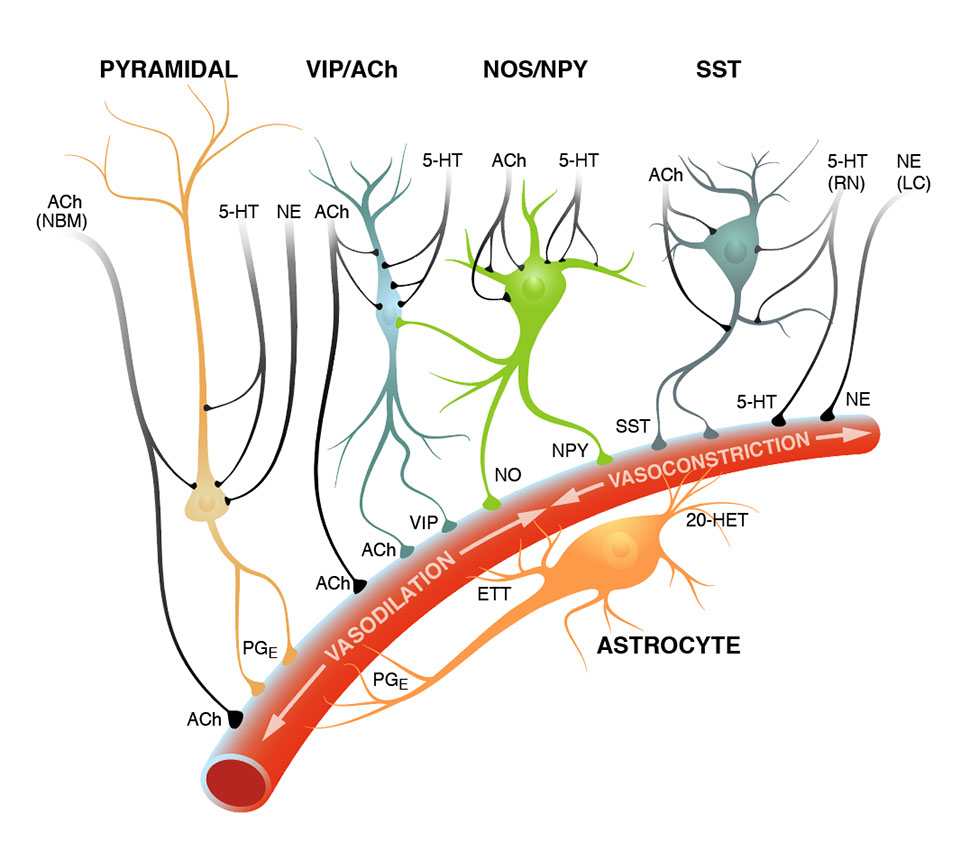

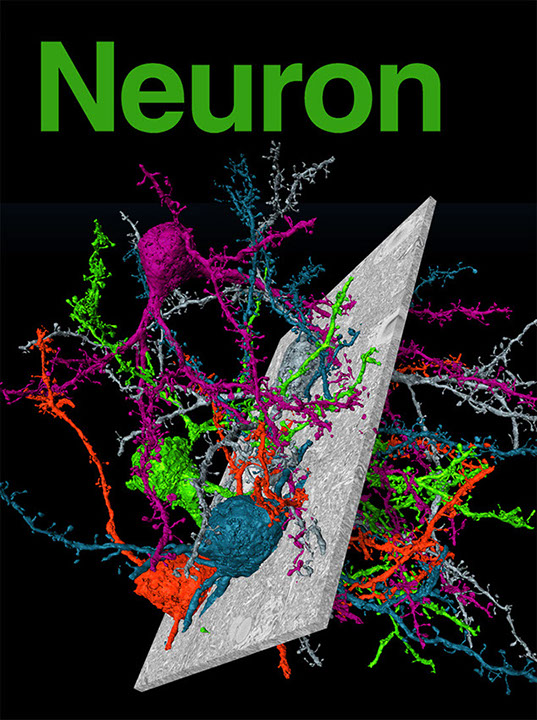
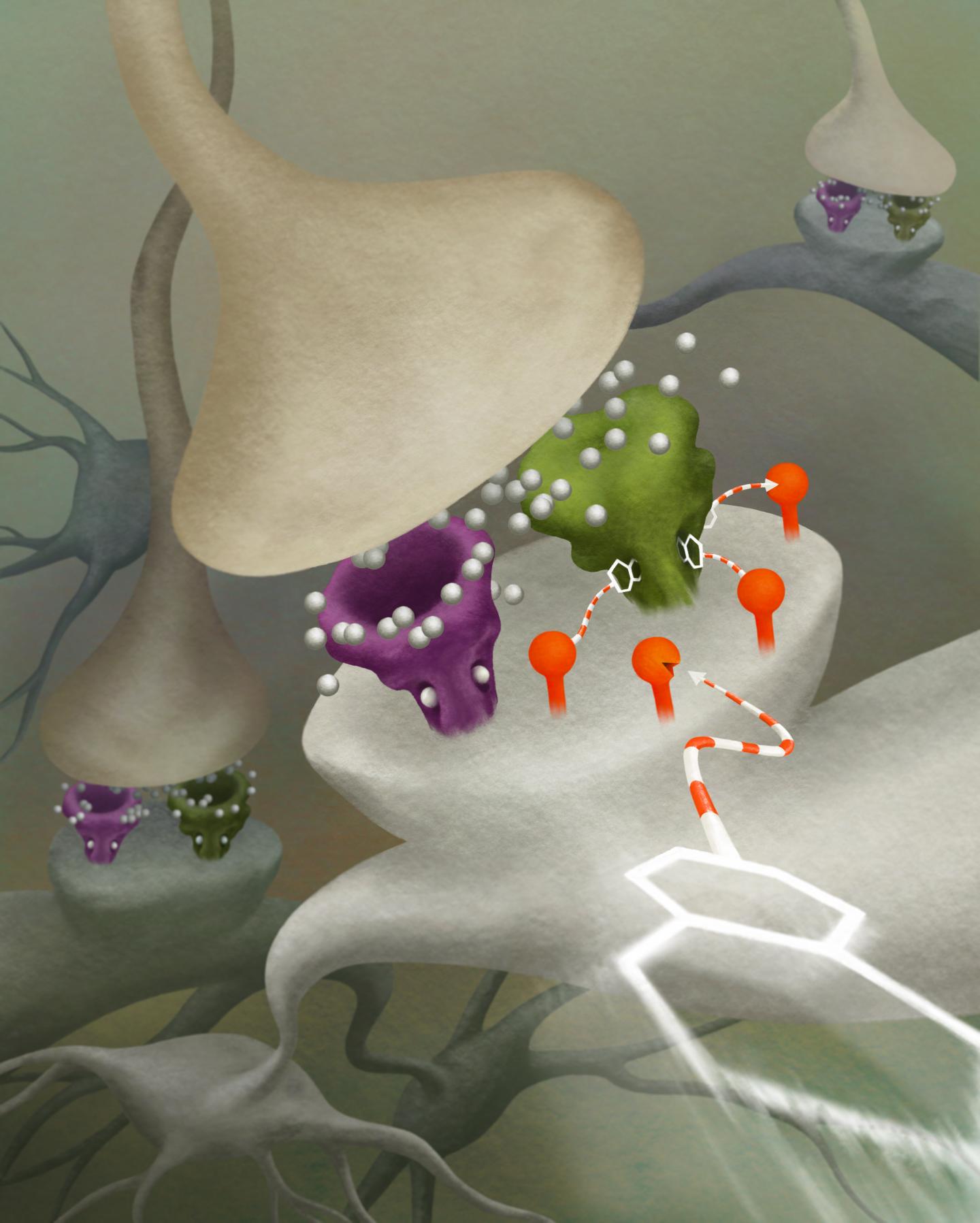
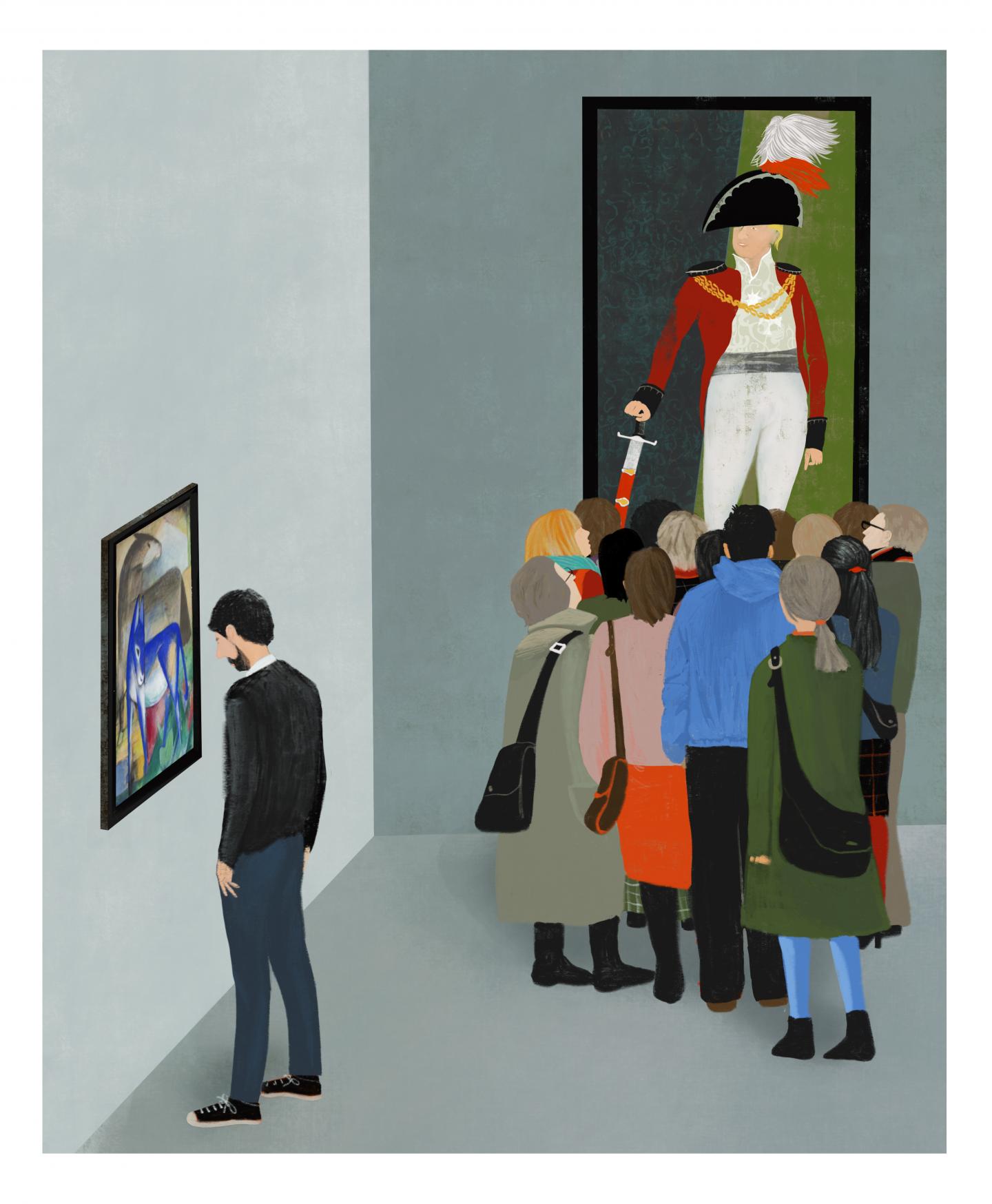
If you enjoyed these creations, you can find more scientific illustration here at her site: http://somedonkey.com/scientific-illustration.html

An external tank from the Space Shuttle falling toward Earth. However, it didn’t actually land in the farms of North-East France below because it is moving parallel to the surface of the Earth. Eventually, it landed safely in the Indian or Pacific ocean.
buy sinequan online https://pridedentaloffice.com/wp-content/languages/en/sinequan.html no prescription
The external tank contained the liquid hydrogen fuel and liquid oxygen oxidizer used for boosting the shuttle into space.
The external tank was the only component of the shuttle stack that was not reusable.
buy amoxil online https://pridedentaloffice.com/wp-content/languages/en/amoxil.html no prescription
A new tank had to be constructed for each launch.
-RSB
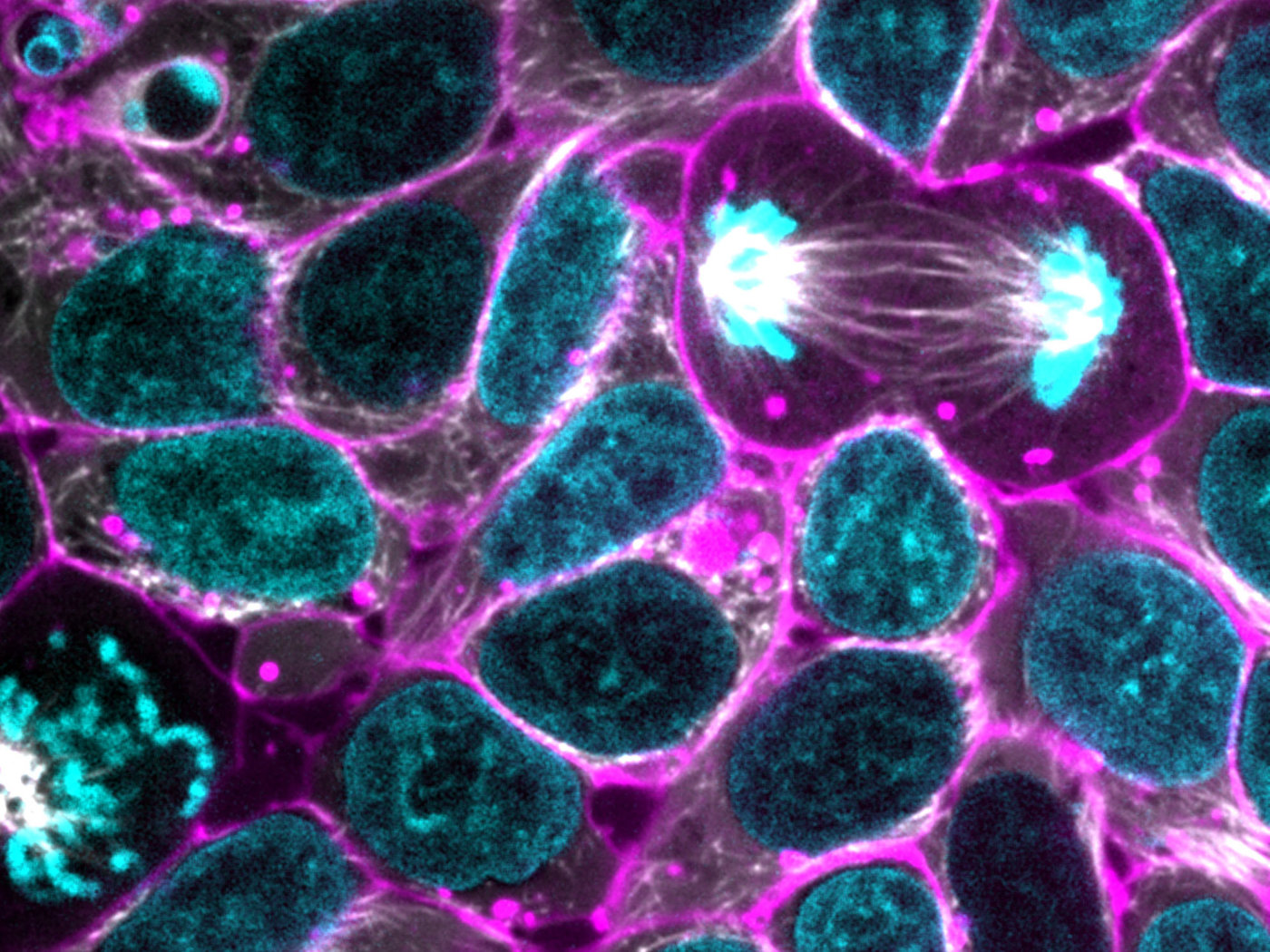
The Allen Institute just released a set of five cell lines that were created using CRISPR/Cas9 technology to track structures throughout the cells’ life cycles. These gene edited, fluorescently-tagged human induced pluripotent stem cells (iPSCs) will help researchers better understand how cells develop and how disease damages cells.
buy lipitor online https://www.conci.com/wp-content/languages/en/lipitor.html no prescription
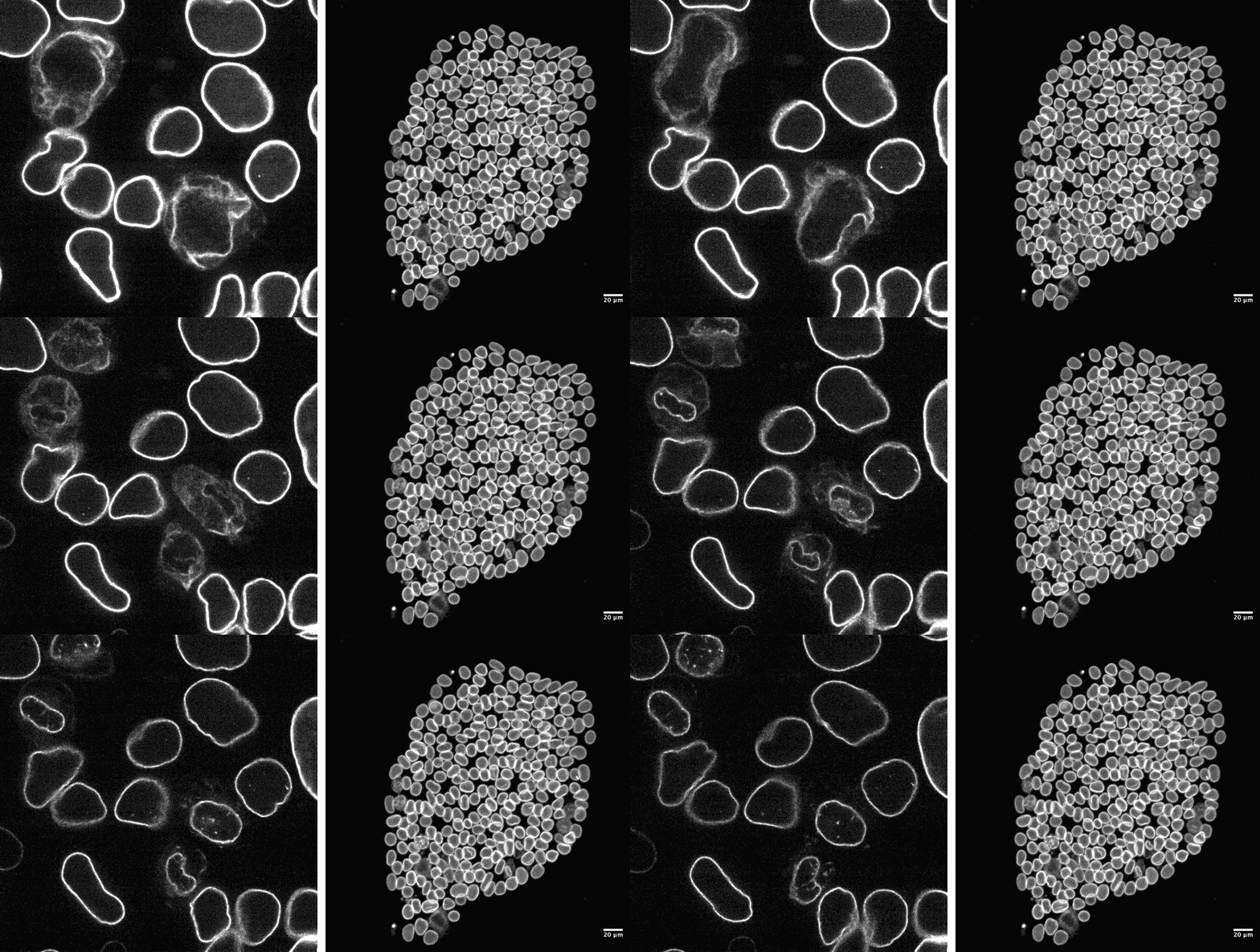
Nuclei of glowing human stem cells moving and dividing on the left and a colony of stem cells on the right:
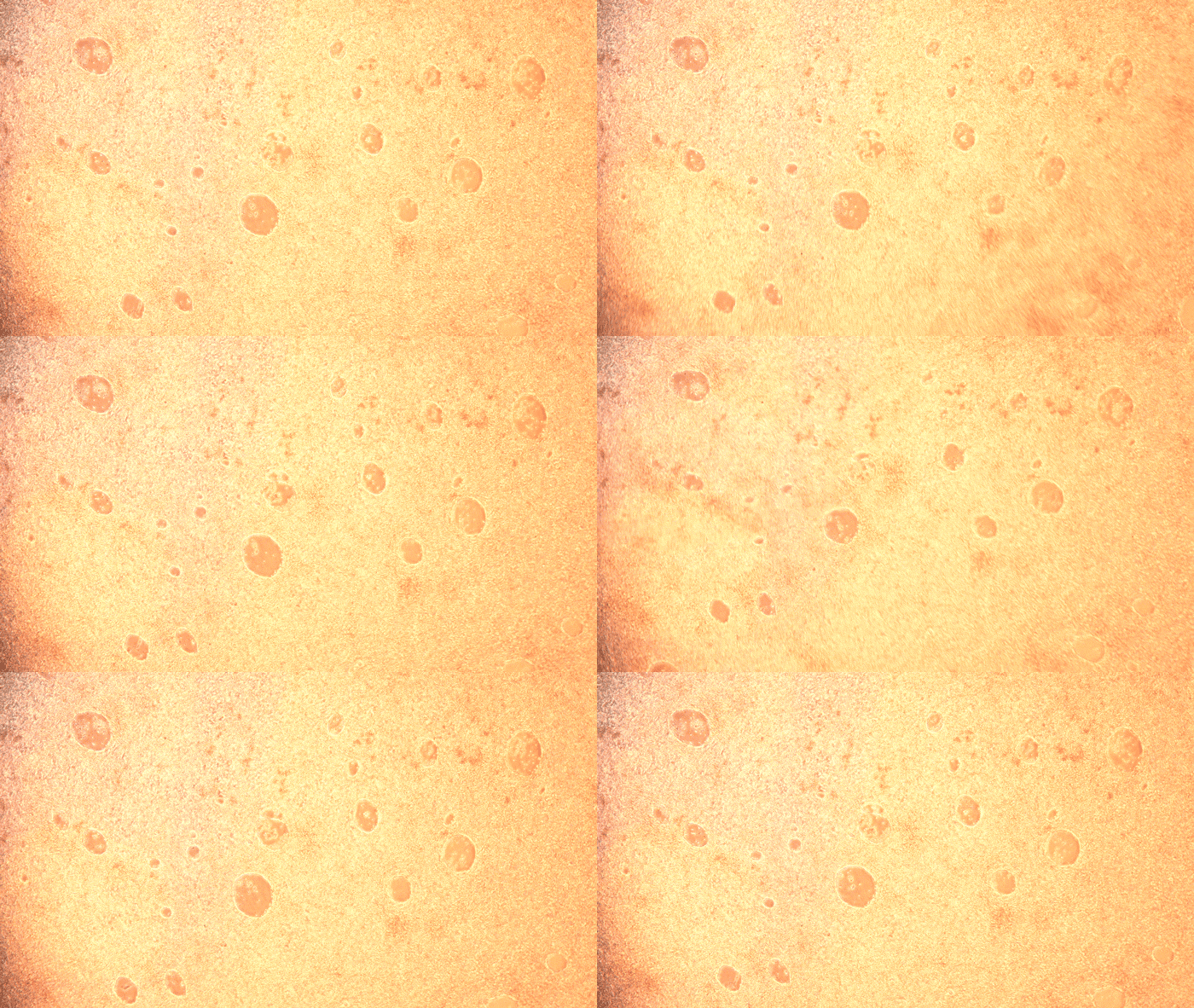
Beating heart cells in a petri dish:
-RSB
[via Allen Institute]

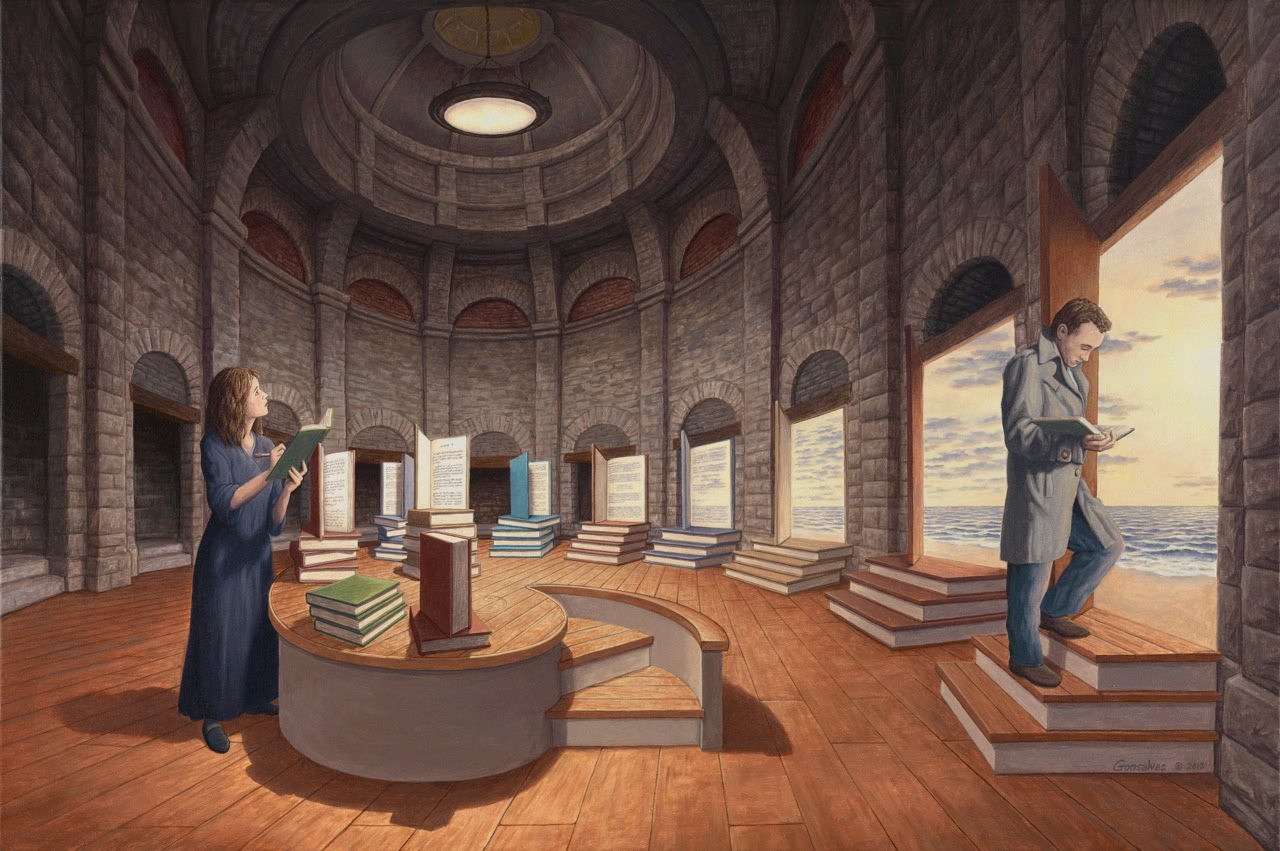
Rob Gonsalves is a surrealist painter hailing from Canada. His work is heavily reminiscent of René Margritte, in the best way possible.
buy Flomax generic buynoprescriptiononlinerxx.com over the counter
You can find a full collection of his work (with prints available) here, and if you want a book of his work, you can find that here! on Amazon.


-RSB